


Top 5 Flushing Cistern Issues and Effective Home Repair Solutions
- Shiv Kumar Yadav
- Feb 16
- 3 min read

A flushing cistern is a key part of your toilet’s plumbing system. When it works well, you barely notice it. But when problems arise, they can cause leaks, weak flushes, or continuous running water, leading to wasted water and higher bills. Many common cistern issues can be fixed at home with simple tools and a bit of know-how. This guide covers the top five problems and how to solve them effectively.

1. Leaking Cistern
A leaking cistern often causes water to drip into the toilet bowl or onto the floor. This can waste a surprising amount of water daily.
Common causes:
Worn or damaged flush valve seal
Loose or cracked cistern bolts or washers
Faulty ballcock or inlet valve
How to fix it:
Turn off the water supply to the cistern.
Remove the cistern lid and inspect the flush valve seal. If it looks cracked or hardened, replace it with a new rubber seal.
Check the bolts and washers holding the cistern to the toilet bowl. Tighten or replace any that are loose or damaged.
Inspect the ballcock or inlet valve for leaks. If faulty, replace the valve assembly.
Regularly checking seals and bolts can prevent leaks before they start.
2. Weak Flush
A weak flush means the toilet does not clear waste properly, often requiring multiple flushes.
Common causes:
Low water level in the cistern
Blocked or partially blocked flush holes under the toilet rim
Faulty or misaligned flush valve
How to fix it:
Adjust the float arm or ballcock to raise the water level inside the cistern. The water should reach the marked fill line.
Clean the flush holes under the toilet rim using a wire or brush to remove mineral deposits or debris.
Check the flush valve for proper seating and alignment. Replace the valve if it is damaged or worn.
A strong flush saves water and keeps your toilet hygienic.
3. Continuous Running Water
If water keeps running after flushing, it wastes water and increases your bill.
Common causes:
Faulty or misadjusted float valve
Worn flush valve seal
Water level set too high, causing overflow into the overflow tube
How to fix it:
Adjust the float valve so it shuts off the water flow at the correct level.
Replace the flush valve seal if it does not close properly.
Lower the water level by bending the float arm or adjusting the fill valve settings to prevent overflow.
Listening for running water after the cistern fills can help catch this issue early.
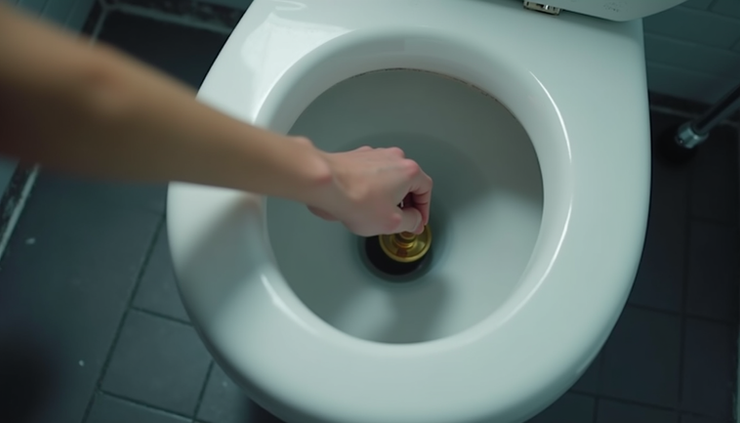
4. Slow Filling Cistern
A cistern that takes too long to fill can be frustrating and may indicate a blockage or faulty valve.
Common causes:
Partially closed or clogged inlet valve
Debris or mineral buildup inside the valve
Low water pressure in the supply line
How to fix it:
Check that the water supply valve is fully open.
Remove and clean the inlet valve filter screen to clear debris.
If mineral buildup is severe, soak the valve parts in vinegar or replace the valve.
If water pressure is low, consult your water supplier or a plumber.
A properly filling cistern ensures your toilet is ready for use quickly.
5. Handle or Flush Lever Problems
A loose or stuck flush handle can prevent the toilet from flushing properly.
Common causes:
Loose or broken handle connection
Corroded or worn flush lever
Chain or lift wire disconnected or tangled
How to fix it:
Tighten the handle nut inside the cistern.
Replace the flush lever if it is corroded or broken.
Adjust or reconnect the chain or lift wire to ensure smooth operation.
Regularly testing the flush handle helps avoid surprises.


Comments